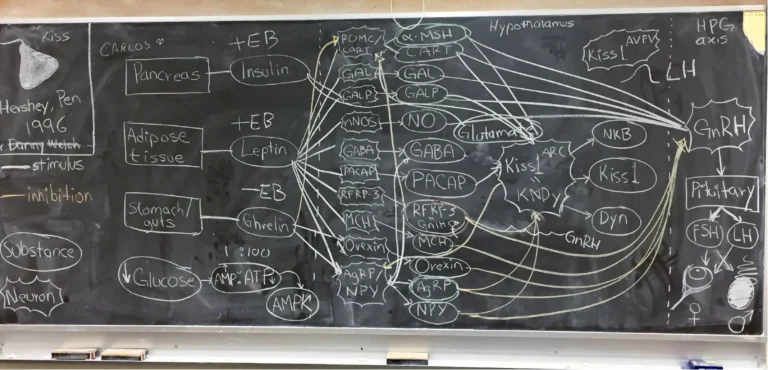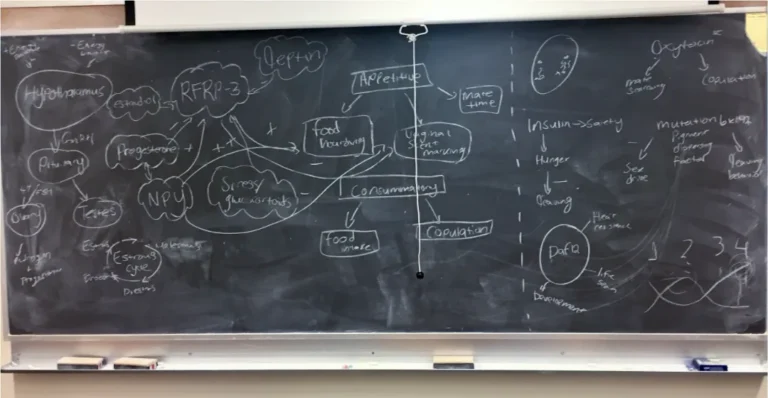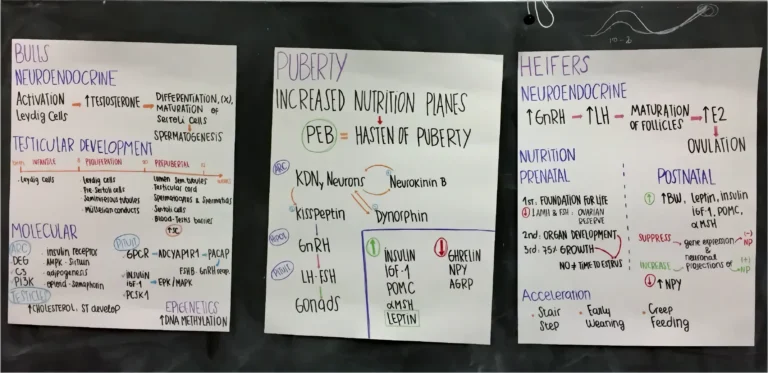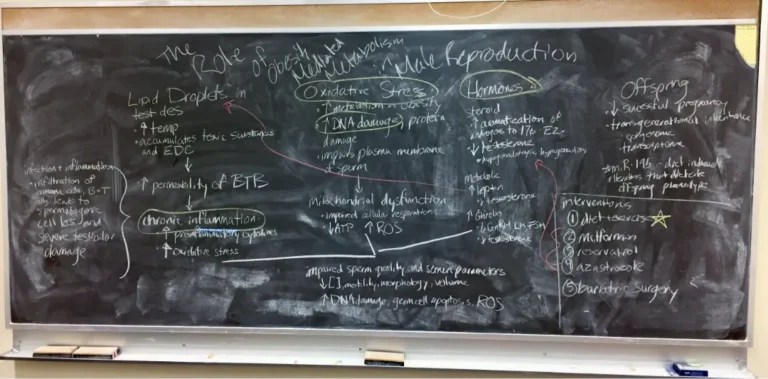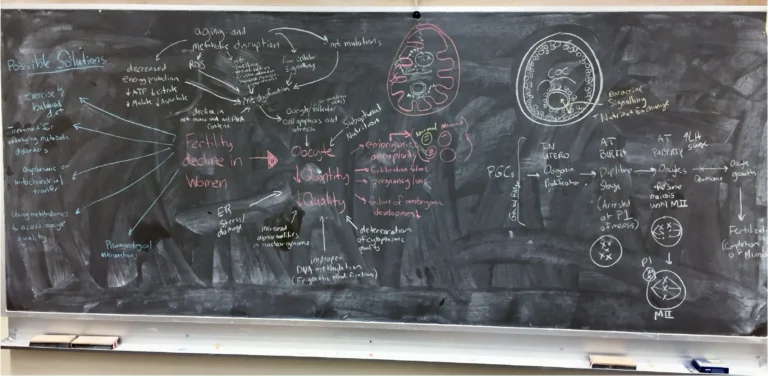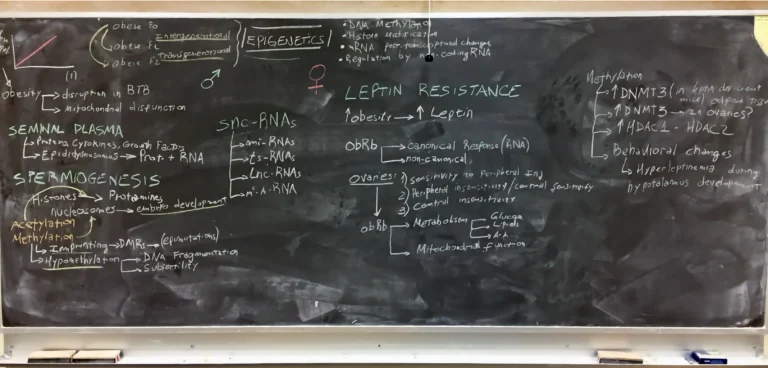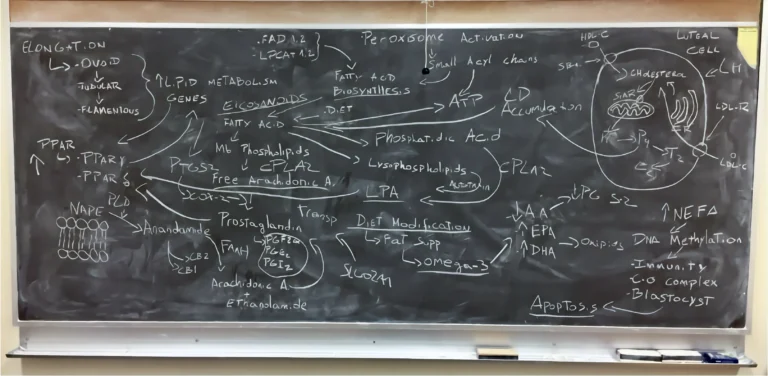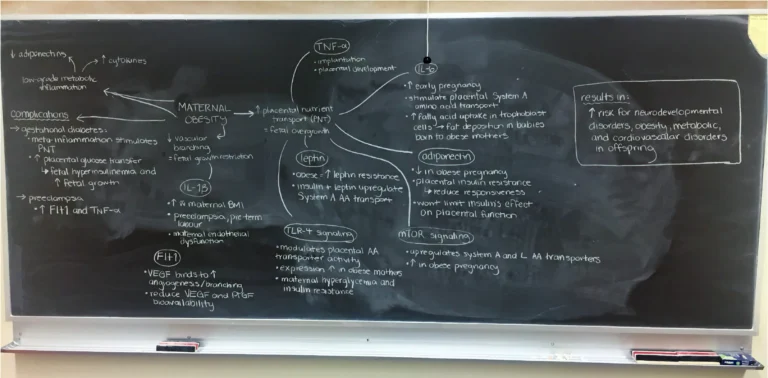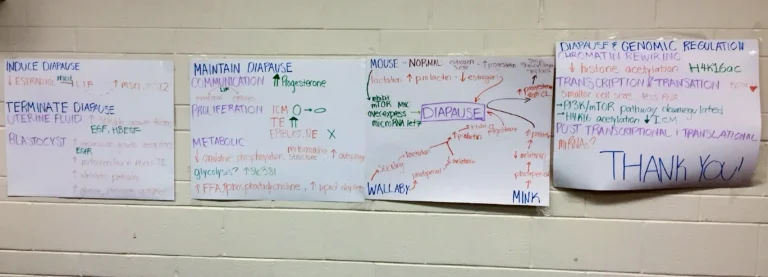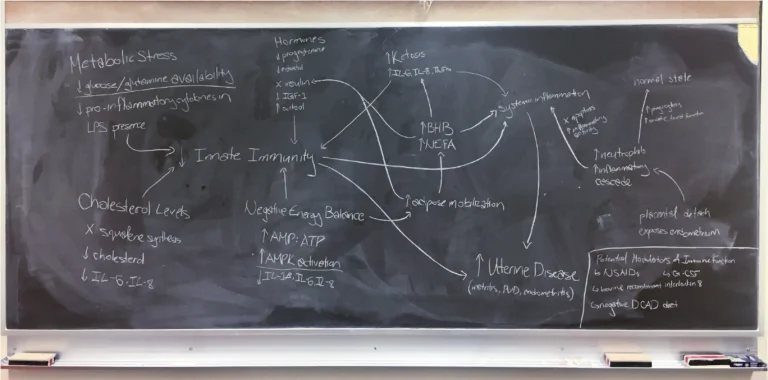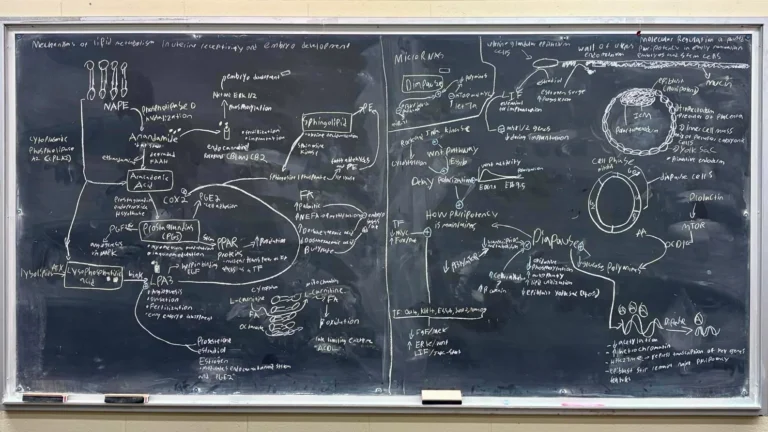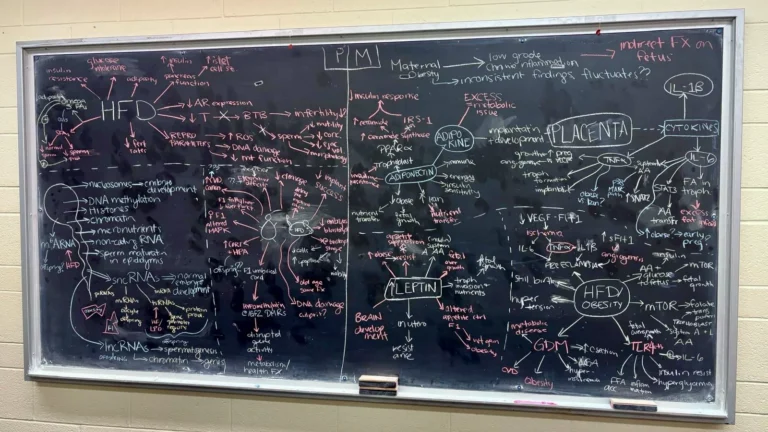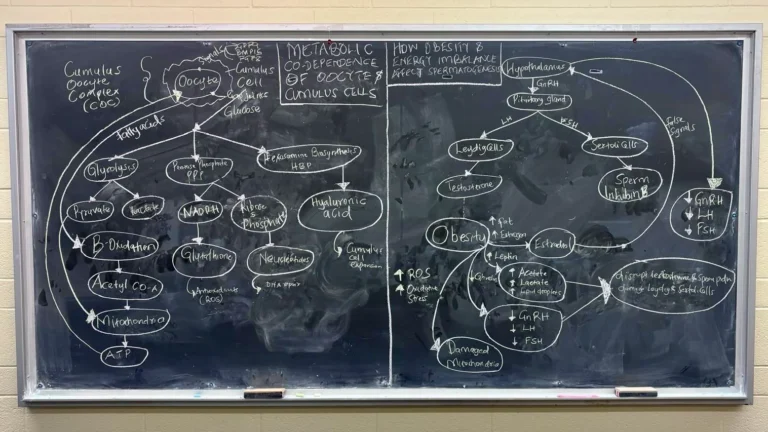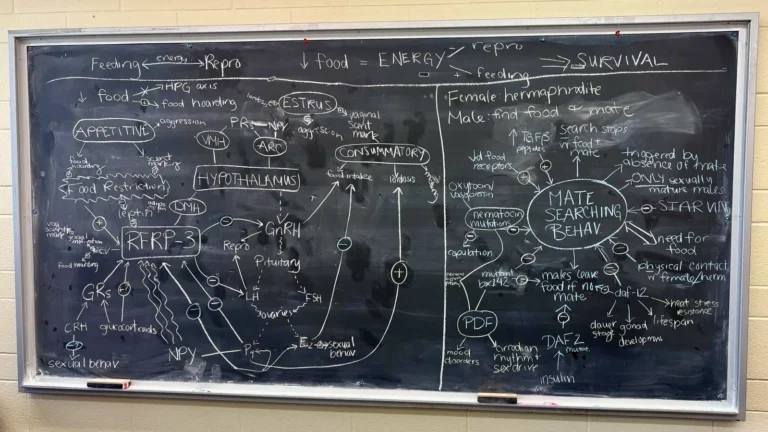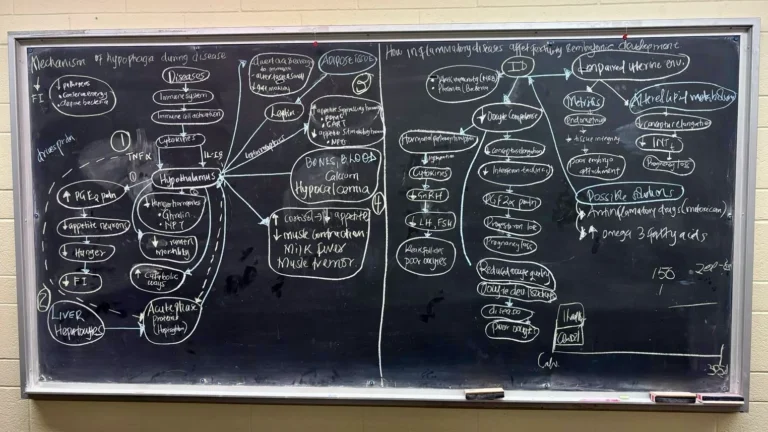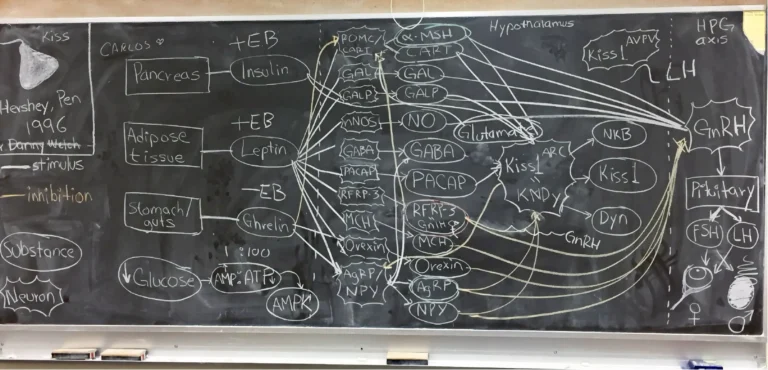
 Reproductive function in mammals demands substantial amounts and adequate balance of nutrients and energy. Consequently, reproductive physiology is tightly regulated by systemic and tissue-specific metabolism. This graduate-level course designed by Dr. Ribeiro uses a multidisciplinary approach to explore the metabolic regulation of reproduction and its implications to reproductive health, fertility, and developmental biology.
The course meets weekly for approximately three hours for in-depth discussion of the latest knowledge in the field. Each week focuses on a specific topic and a set of thought-provoking questions designed to guide critical discussion. Students are expected to actively participate and take leadership roles in facilitating the meetings, which are structured into three parts:
- Part 1: Discussion of literature reviews. Two review articles are pre-assigned by the course coordinator. A designated student presents a 15-minute summary of the main concepts, followed by a group discussion moderated by the coordinator.
- Part 2: Discussion of an original research paper. A second student selects a relevant original article from scientific databases (with prior approval from the coordinator) and provides a 15-minute presentation. The class then engages in a critical group discussion of the study, moderated by the coordinator.
- Part 3: Discussion of a novel hypothesis and research methods. A third student identifies a gap in knowledge in the pre-assigned literature of the week, develops a novel hypothesis, and proposes an experimental design to test it. This 15-minute presentation is followed by a group discussion of the proposal, including alternative hypotheses and methods.
Discussions draw on a wide range of research models, from genetically modified laboratory animals to epidemiological studies in livestock and humans, and everything in between. This format allows the training of students not only in the discipline itself, but also in research methods, critical analysis, statistics, cutting edge technology, and scientific communication.
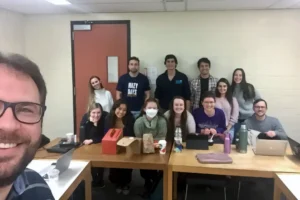
In four offerings of this course by Dr. Ribeiro, 29 students completed the course.